The Night I Forgot My Own Lyrics — and Why I Posted the Video Anyway
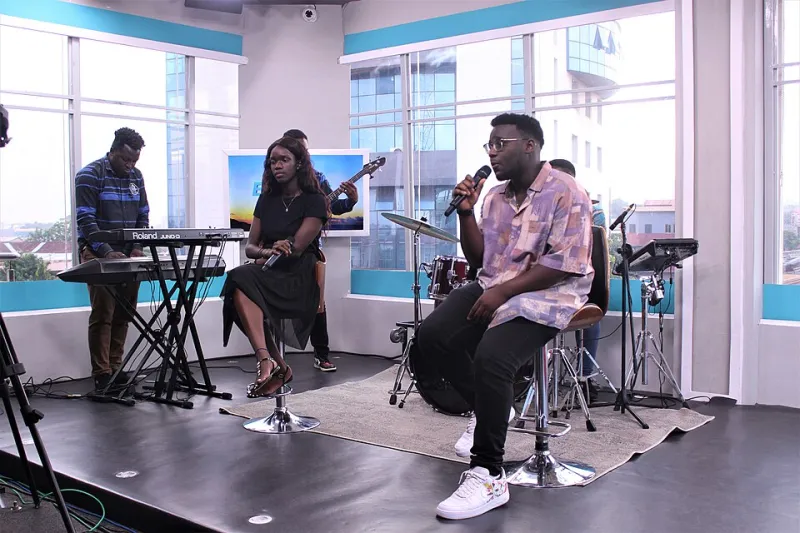
Photo: Uprising Man, CC BY-SA 4.0, via Wikimedia Commons
The song was called 'Halfway Home,' and I had performed it at least fifty times. I knew the second verse the way you know the route to your own kitchen. Then, on a Thursday night in March at a small listening room in Austin, I got to the line before the chorus and my brain simply handed me a blank sheet of paper.
Not a stumble. Not a lyric flub. A full-system blackout. I repeated the last line I remembered, tried to smile, and watched the room realize at the same time I did that I was lost.
The Setup
The show was not a disaster from the outside. The room was warm. The audience was kind. I had a good setlist and a new song I was excited to try. But somewhere between the second and third songs, I started performing for the version of myself I wanted the room to see: the calm, in-control artist who never forgets a word and never lets the mask slip.
That version of me is exhausting to maintain. And on that night, she clocked out early.
The Moment It Fell Apart
I tried to recover with a joke. It landed sideways. I tried to skip to the chorus. My hands went to the wrong chord. For about twelve seconds, which felt like four years, I stood on stage doing the least professional thing a performer can do: thinking about how I looked while I was looking bad.
Then I stopped. I said, 'Okay, I genuinely forgot the verse. Give me a second.' I took a breath, looked at the guitarist, and we started the song again from the top. The audience applauded. Not because it was smooth. Because it was honest.
After the show, a friend sent me a clip someone in the front row had recorded. It was the whole messy sequence: the blank stare, the sideways joke, the restart. My first instinct was to bury it. My second instinct was to post it.
The First 48 Hours
I posted the clip the next morning with a caption that said something like, 'This is what a brain crash looks like in real time.' Then I closed the app and went for a walk because I could not stand to watch the numbers.
When I came back, the comments were not cruel. They were weirdly warm. People wrote about their own onstage disasters, job-interview blank spots, and first-day-of-school panics. A few said they had never seen a performer restart a song and now felt less alone about their own fumbles. One person wrote, 'I have watched this six times. It makes you seem like a real person.'
That last one stuck with me. Not because I had been trying to seem fake before, but because I had been editing out the exact moments that made the work feel human.
Why the Clip Mattered
There is a version of vulnerability that is purely strategic. You post a small, controlled mistake so people will call you relatable. That is not what this was. This was a genuine loss of control, and posting it felt less like a branding decision and more like a small act of surrender.
But surrender turned out to be useful. The clip did not make me look less competent. It made me look more available. It told the audience that I was not performing from behind glass. It gave them permission to be imperfect in return.
For creators, that is a real form of currency. Not because failure is cute, but because perfection is hard to trust. If every clip you post is the best take, every project is the smoothest launch, and every behind-the-scenes story ends in a neat lesson, people eventually stop feeling connected to you. They start watching a highlight reel instead of a person.
Vulnerability Is Not a Strategy (But It Is a Signal)
I do not think every creator needs to post every bad night. There is a difference between sharing a useful mess and dumping your whole nervous system on the internet. The signal is not 'I am falling apart.' The signal is 'I can be real while I am still in the middle of it.'
That distinction matters, especially for US audiences who are used to polished personal brands and can smell a manufactured lesson from a mile away. The clip worked because it was not packaged as a lesson at first. It was just true.
A Field Guide for Posting Your Fumbles
If you are sitting on a clip, a draft, or a story that makes you look less than perfect, ask yourself three things.
First, is this mine to share? Do not post someone else's bad moment for engagement. Do not expose a collaborator's mistake without a conversation.
Second, does it serve the audience or just the algorithm? A fumble that shows process, care, or growth can build trust. A fumble that exists only to provoke sympathy can feel manipulative.
Third, can I stand behind it tomorrow? The internet has a long memory. If the answer is no, keep it private.
The Audience You Actually Want
The people who stayed after that clip are not the people who wanted a flawless performance. They are the people who wanted a real one. That is a much better audience to build with, even if it is smaller at first.
I still practice 'Halfway Home.' I still get nervous before shows. But I no longer believe that the polished version is the only version worth showing. Sometimes the most useful thing you can do as an artist is let people watch you find your place again. The clip is still up. I do not regret posting it. I regret only that it took a blank verse to remind me that being seen is not the same as being perfect.